
𝗟𝗲𝗮𝗱𝗲𝗿𝘀𝗵𝗶𝗽 𝗨𝗻𝗱𝗲𝗿 𝗦𝗰𝗿𝘂𝘁𝗶𝗻𝘆: 𝗣𝗿𝗼𝗳𝗲𝘀𝘀𝗼𝗿 𝗧𝗮𝗸𝗲𝗹𝗲 𝗧𝗮𝗱𝗲𝘀𝘀𝗲’𝘀 𝗖𝗮𝗹𝗹 𝗳𝗼𝗿 𝗗𝗶𝘀𝗰𝗶𝗽𝗹𝗶𝗻𝗲 𝗮𝗻𝗱 𝗦𝗲𝗿𝘃𝗶𝗰𝗲
𝗪𝗼𝗹𝗮𝗶𝘁𝗮
𝗦𝗼𝗱𝗼,
𝗘𝘁𝗵𝗶𝗼𝗽𝗶𝗮
– Professor Takele Tadesse, Director General of the South Ethiopia Regional
State Capacity Building and Policy Research Institute, has delivered a detailed
address on the meaning of leadership, stressing its responsibilities, moral
foundations, and the discipline required to guide institutions and
communities.
𝗟𝗲𝗮𝗱𝗲𝗿𝘀𝗵𝗶𝗽
𝗮𝘀
𝗥𝗲𝘀𝗽𝗼𝗻𝘀𝗶𝗯𝗶𝗹𝗶𝘁𝘆
Professor Takele told the
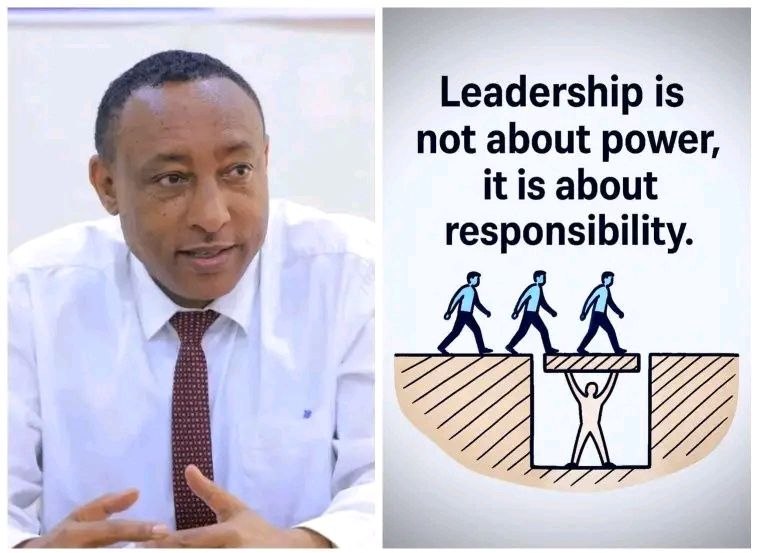
institute’s management that leadership is not a privilege but a burden of
responsibility. He described a genuine leader as one who stands with the people
during moments of hardship, accepts challenges openly, and works tirelessly to
provide solutions. “Leadership is about guiding by example, not commanding with
words,” he said, underscoring that integrity, trustworthiness, and moral
uprightness are the bedrock of effective leadership.
𝗦𝗲𝗿𝘃𝗶𝗰𝗲
𝗕𝗲𝗳𝗼𝗿𝗲
𝗦𝗲𝗹𝗳
The director emphasized that true
leadership is rooted in service, where the interests of others are placed above
personal gain. He argued that leaders must ask how they can transform
institutions and lives, rather than what they themselves can acquire. He
highlighted that prioritizing the welfare of society is the essence of servant
leadership.
𝗗𝗶𝘀𝗰𝗶𝗽𝗹𝗶𝗻𝗲
𝗮𝗻𝗱
𝗖𝗵𝗮𝗿𝗮𝗰𝘁𝗲𝗿
Professor Takele described
discipline as indispensable for leadership, calling it both essential and
decisive. Leaders who embody discipline, he said, become role models for future
generations, remain focused on critical issues, and make decisions that advance
their organizations. Such leaders, he added, adapt to change without losing
their values and serve as examples of resilience and improvement.
𝗗𝗲𝗳𝗶𝗻𝗶𝗻𝗴
𝗟𝗲𝗮𝗱𝗲𝗿𝘀𝗵𝗶𝗽
𝗦𝘁𝗮𝗻𝗱𝗮𝗿𝗱𝘀
He outlined key measures of leadership:
- The ability to make sound decisions.
- Inspiring confidence in others.
- Accepting responsibility.
- Creating meaningful impact.
- Seeing tasks through to completion and delivering
results.
Leaders, he explained, must be
creators of influence, examples of integrity, and agents of change. They should
demonstrate wisdom, patience in decision-making, and a balanced outlook, while
working collectively to achieve success.
𝗟𝗼𝗼𝗸𝗶𝗻𝗴
𝗔𝗵𝗲𝗮𝗱
The Institute announced plans to introduce capacity-building programmes focused on leadership fundamentals. These training sessions will aim to strengthen managerial skills, provide mentorship, and cultivate disciplined, service-driven leaders across the region.